Contract Renewal Pipeline for Managed Service Providers
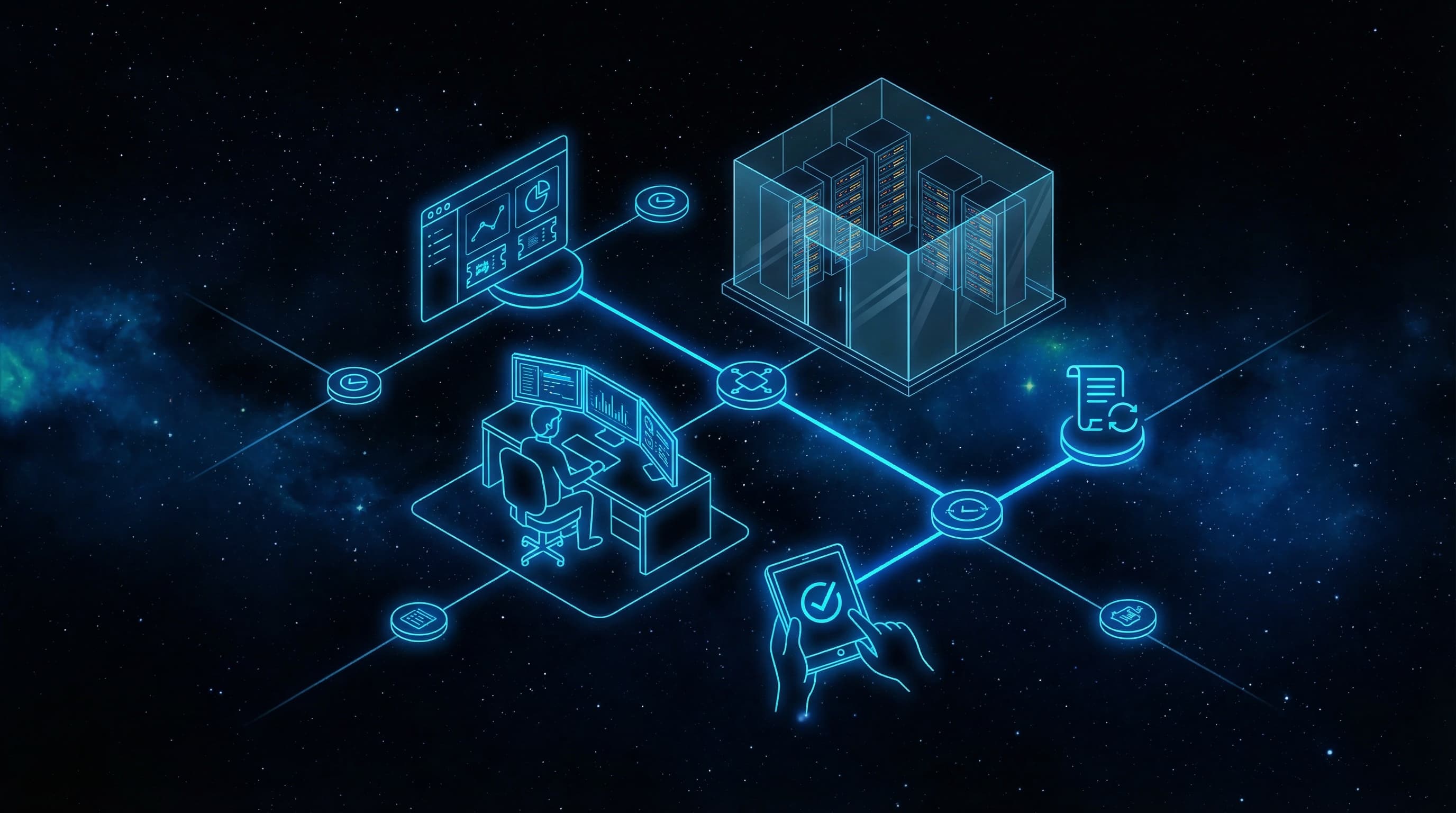
Last updated: March 2026
Overview
Most MSP contracts don't end with an angry phone call. They end with silence. A renewal date passes, nobody follows up, and a client who was perfectly satisfied simply doesn't sign again. The industry calls this "silent churn" — and it accounts for a significant portion of the 12% annual client loss rate that forces MSPs to replace revenue before they can grow.
The problem isn't that MSPs don't care about renewals. It's that renewal tracking lives in spreadsheets, PSA notes, or worse — someone's memory. When your team catches a renewal 30 days before expiration, you're not having a strategic conversation about expanded services. You're scrambling to get a signature before the contract lapses.
Automated renewal pipelines change this dynamic entirely. They surface expiring contracts 90 days out, trigger outreach sequences, and arm your account managers with QBR data showing exactly where each client has room to grow. The renewal conversation becomes an upsell opportunity instead of a fire drill.
The Problem
MSP annual client churn averages 12%. At $2M in annual recurring revenue, that's $240K you must replace before earning a single dollar of growth. Most providers track renewals through PSA notes or spreadsheets with no structured pipeline. The result: renewal conversations happen reactively, often just 30 days before expiration. By then, clients who felt underserved have already started shopping. Twenty-eight percent of SMEs who leave cite poor communication — problems that compound when nobody checks in until the contract is almost expired.
The Solution
Elevasis builds a structured renewal pipeline that starts working 90 days before each contract expires. The system syncs with your PSA to pull contract dates automatically — no manual entry. At 90, 60, and 30 days out, it triggers email sequences and creates tasks for your account managers. Each alert includes client health data: ticket trends, SLA compliance, and service utilization pulled from your RMM. When the renewal meeting happens, your team has upsell recommendations based on the client's actual usage patterns.
How It Works
- 1
Sync Contract Data from Your PSA
Elevasis connects to ConnectWise, Autotask, or your existing PSA to pull contract terms and expiration dates. No spreadsheet imports or manual date entry required.
- 2
Build 90/60/30-Day Alert Sequences
The system creates automated checkpoints at each milestone. Account managers receive tasks with client context, and clients receive outreach emails appropriate to each stage.
- 3
Attach Client Health Data to Each Renewal
Ticket volume, SLA compliance, and endpoint growth data from your RMM populate each renewal record. Your team sees exactly how the relationship performed before the conversation starts.
- 4
Generate Upsell Recommendations Automatically
Based on service utilization and QBR history, the system suggests expanded offerings. Clients running at endpoint capacity or requesting out-of-scope work get flagged for tier upgrades.
- 5
Track Pipeline and Recover At-Risk Contracts
A dashboard shows every renewal by status and risk level. Proactive outreach to flagged accounts recovers 30-40% of contracts that would otherwise lapse without response.
Results
MSPs using structured renewal pipelines see retention improve by 10-15% and contract values increase by 10-20% at renewal. Manager time per renewal drops from roughly 5 hours to 1 hour with automated workflows handling outreach and data assembly. Proactive engagement with at-risk accounts recovers 30-40% of contracts that would otherwise churn silently.
Frequently Asked Questions
The system handles variable contract structures by pulling term data directly from your PSA. Annual renewal clauses within multi-year contracts trigger the same 90/60/30-day sequences. Custom billing dates or mid-year reviews can be configured as separate alert events.
Absolutely. Automation creates tasks and sends alerts, but your team controls the actual conversations. Managers can pause sequences for specific accounts, add notes, or take over outreach at any point. The system supports your process — it doesn't replace judgment calls.
Each contract gets its own renewal track. A client with separate agreements for managed services, security, and backup sees three distinct pipelines with appropriate alerts. Your team gets a unified view showing all upcoming renewals for that account in one place.
Most MSPs are running within 2-3 weeks. The first week covers PSA integration and contract data sync. Week two configures alert sequences and email templates. By week three, your first 90-day alerts are firing on actual renewals.
Elevasis connects with ConnectWise, Autotask/Datto, Syncro, NinjaOne, Halo PSA, and Kaseya. Contract data syncs automatically, and renewal tasks appear in your existing workflow. No duplicate systems to manage.
Risk flags come from client health metrics: rising ticket volumes, SLA breaches, declining engagement, or support requests mentioning competitors. These signals surface in your renewal dashboard 90 days out, giving your team time for intervention rather than damage control.
Ready to Automate Your Business?
Show me how renewal automation works for my MSP — book a 15-minute demo.